Introduction
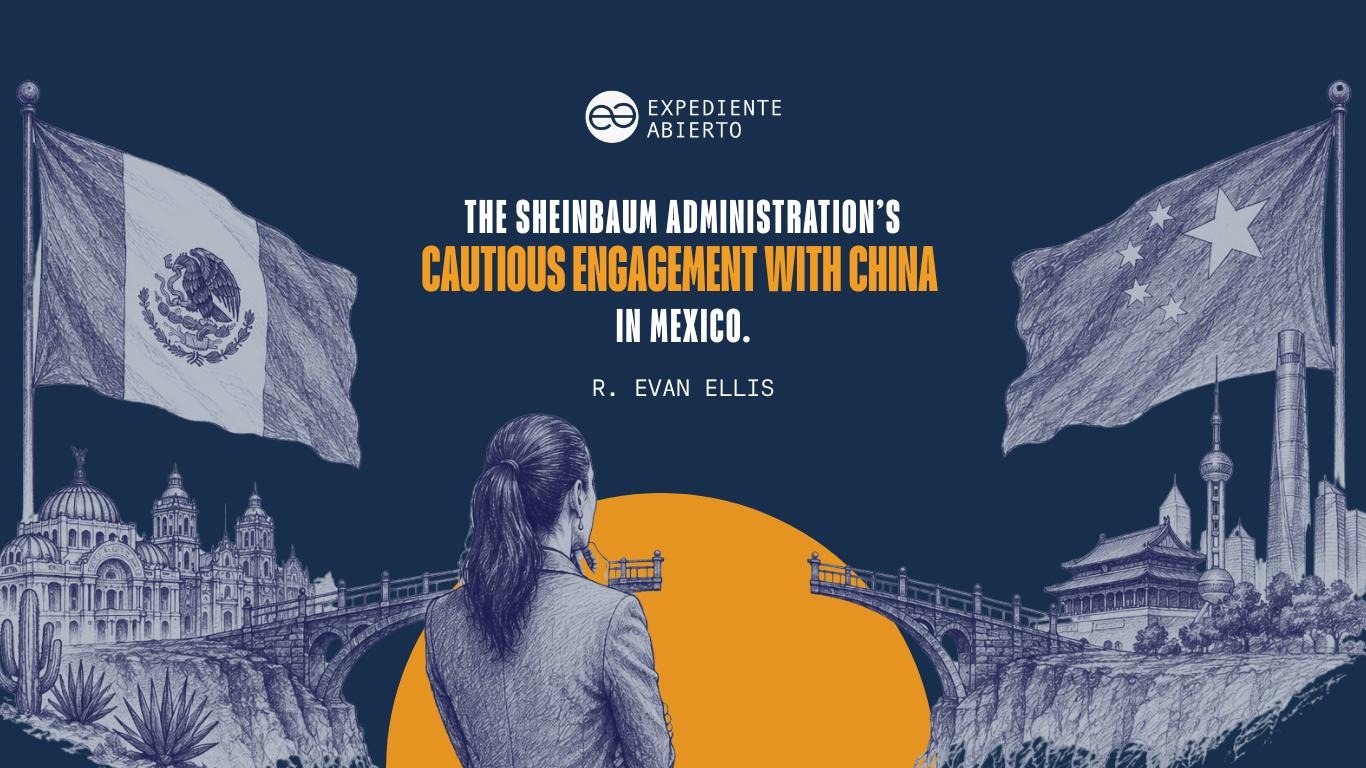
Claudia Sheinbaum’s government in Mexico has sought to navigate a delicate balance between cooperation with the United States, Mexico’s biggest export market, source of remittances and security partner, and the People’s Republic of China (PRC), an important potential source of investment and trade with Mexico, particularly as the trade and political relationship with the U.S. has become increasingly unpredictable and occasionally tense.
In the context of preliminary negotiations with the Trump Administration over the future of the U.S.-Mexico-Canada Free Trade Agreement (USMCA), in December 2025, Mexico imposed significant new tariffs on a range of products from countries with which Mexico does not have a current Free Trade Agreement. These included a tariff of up to 50% on autos from the PRC. As an offset, however, Sheinbaum’s government also held high-level talks with her Chinese counterparts to explain Mexico’s action, and announced that she will be attending the Asia Pacific Economic Cooperation (APEC) leaders’ summit in Beijing in November 2026, setting the stage for a bilateral summit between Sheinbaum and Xi from which deepened economic, political, and other cooperation could flow.